Shangri-La – is not just a place, it’s an experience.
Shangri-La (香格里拉, Xiānggélǐlā) is a mystical, high-altitude city located in the northwest of Yunnan Province, China, near the borders of Tibet and Sichuan. Originally known as Zhongdian, it was renamed in 2001 after the fictional paradise from James Hilton’s novel Lost Horizon, to reflect its deep spiritual, natural, and cultural significance
Key Attractions
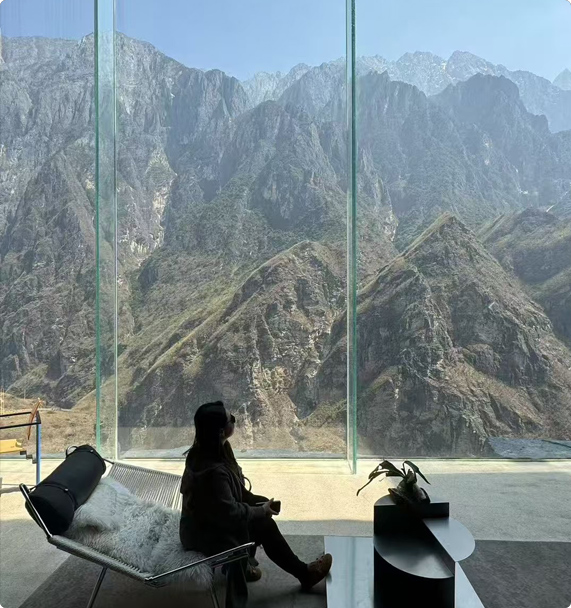
Natural Scenery
Potatso National Park (普达措国家公园) – China’s first national park, featuring
pristine lakes (Shudu Lake, Bita Lake), forests, and meadows.
Meili Snow Mountain (梅里雪山) – a sacred mountain range with the towering
Kawagarbo Peak (6,740m), a pilgrimage site for Tibetans.
Tibetan Culture & Religion
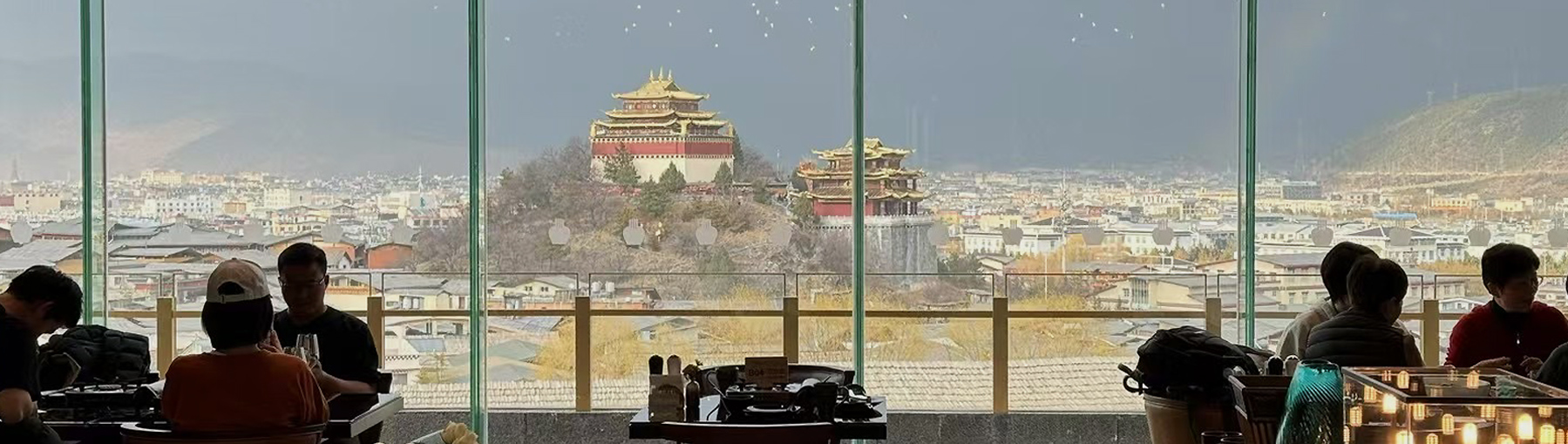
Songzanlin Monastery (松赞林寺) – the largest Tibetan Buddhist monastery in
Yunnan, often called the “Little Potala Palace” for its resemblance to Lhasa’s
Potala. Built in the 17th century, set against a backdrop of lakes and mountains,
it is a peaceful and awe-inspiring spiritual site.
Dukezong Ancient Town (独克宗古城) – a 1,300-year-old Tibetan town with
traditional architecture, prayer wheels, and the Giant Prayer Wheel, the world’s
largest.
Napa Lake (纳帕海) – a seasonal alpine wetland where Tibetan herders graze
yaks and horses.
Unique Experiences
Horseback riding in grasslands.
Tibetan homestays with butter tea and barley wine.
The Torch Festival and Tibetan New Year (Losar) showcase vibrant
dances and rituals.
Local Cuisine
Yak meat, momo (dumplings), butter tea, and highland barley products.
With its majestic mountains, Tibetan spirituality, and untouched nature, Shangri-La offers a deep sense of peace and wonder. Ideal for those interested in culture, spirituality, highland landscapes, and off-the-beaten-path exploration.